
Children learn at their own pace.
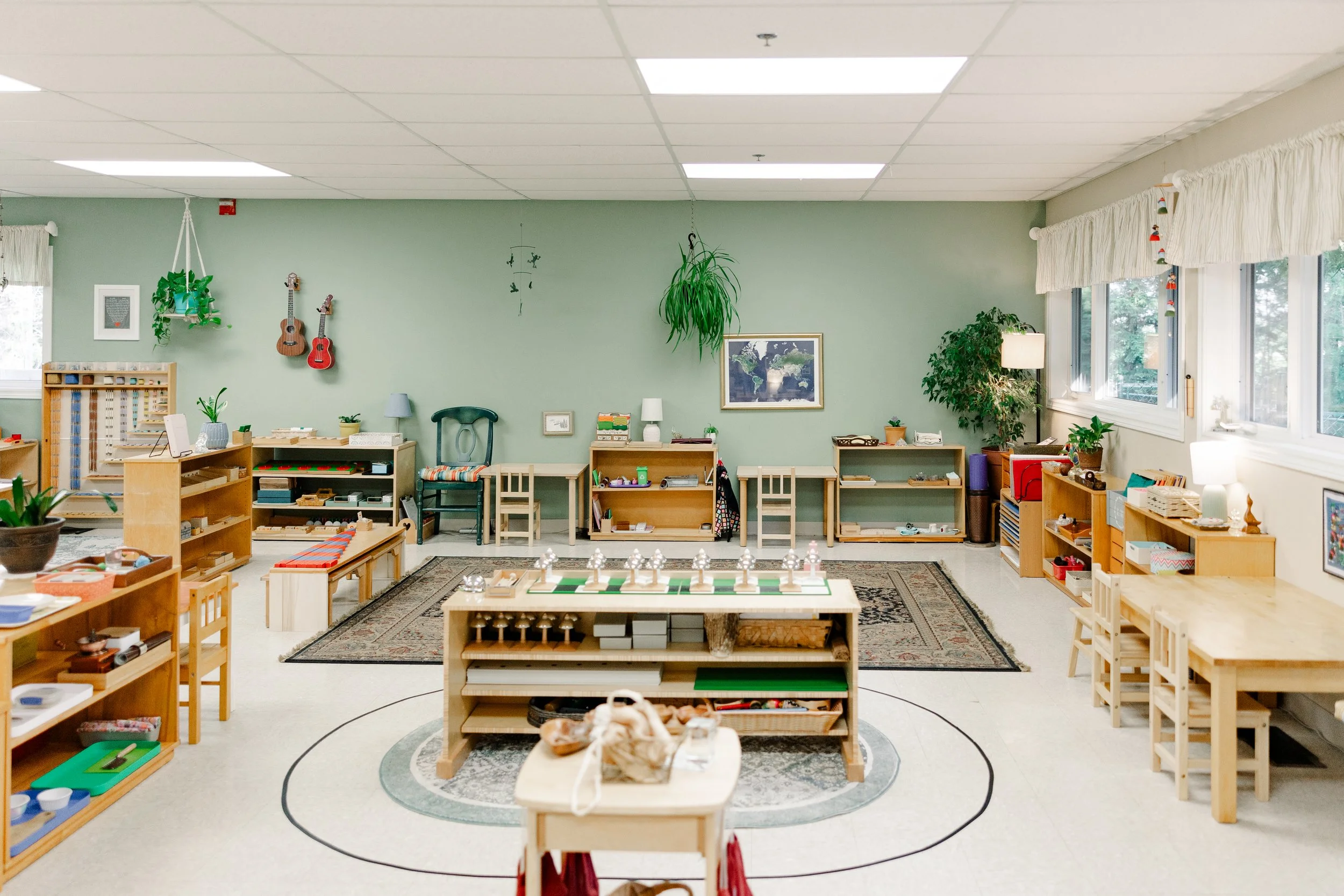
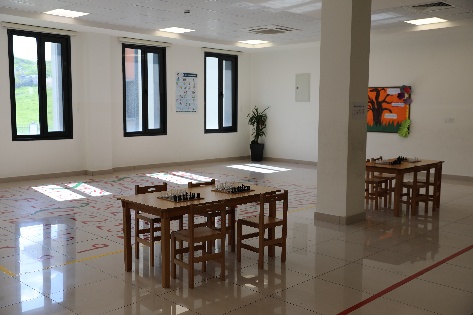
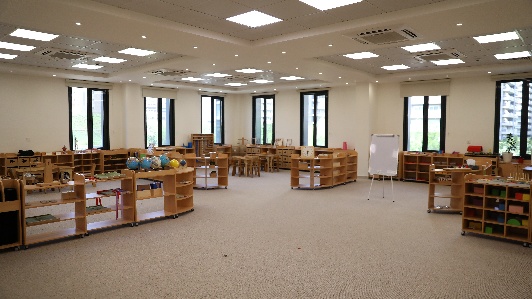
Montessori is not a subject at KIS — it is how the day is shaped. Children work in prepared environments where every material has a purpose and a place, and where a child may return to the same work for as long as it holds their attention.
Why the pace belongs to the child
A Montessori classroom does not move as one. One child may spend a fortnight with a single sensorial material while another moves through three; both are learning, and neither is behind. Concentration is treated as the thing being built, because everything else rests on it.
The three-hour work cycle
Mornings are not cut into forty-minute periods. A child who settles into a work at nine is not interrupted at nine-forty, because the deep concentration that follows a slow start is the whole reason the block is protected.
What sits on the shelves
Every material is a lesson a child can give themselves. It isolates one difficulty, it is beautiful enough to be worth handling with care, and it shows a child their own mistake without an adult naming it.
- Practical life — pouring, sweeping, buttoning, polishing. Independence before academics.
- Sensorial work — sorting, grading, matching. The groundwork for mathematics.
- Language — sandpaper letters and the movable alphabet, so writing arrives before reading.
- Mathematics — golden beads and number rods: quantity held in the hand before it is written down.
- Culture — geography, botany and history, at the age a child first asks about them.
A morning, in order
- Arrival and a greeting at the door — each child by name.
- Free choice of work, alone or alongside one or two others.
- A short lesson from the guide, given to whoever is ready for it.
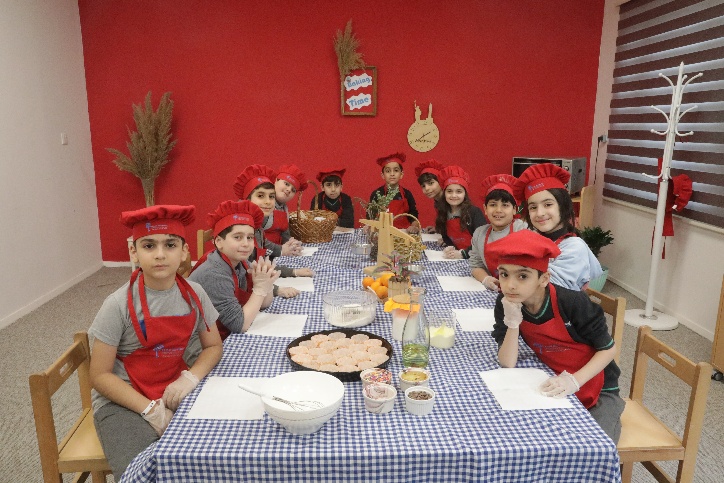
- Snack, prepared and cleared away by the children themselves.
- Group time: a story, a song, a question left open until tomorrow.
Held to an outside standard

KIS is a member school of the American Montessori Society, which sets the standard our classrooms and our teachers are held to. Membership is renewed rather than granted once — our environments, our materials and our adult training are reviewed against AMS criteria.
Our guides hold, or are working toward, AMS-recognised credentials, and every classroom is observed by a lead guide each term: the adult is being trained as carefully as the child.
What parents ask us
Will my child be ready for Grade 1? Readiness here is not a date on a calendar. Children leave the early years able to read, to add and subtract with materials, and — harder to test, more useful — able to choose work and finish it.
Is there homework? Not in the early years. The work of the day is done in the day; evenings belong to the family.
Come and watch a morning. It explains more than any page can.